Professional AC mechanical Course - AC, Fridge, Washing Machine & Geyser
Call now: +91 8851511577
AC Mechanical is the backbone of the AC service industry. Every air conditioner, refrigerator, washing machine, and geyser has mechanical parts that need regular maintenance and repair. Learning mechanical repair skills opens doors to excellent career opportunities with steady income. Our offline AC mechanical course, Fridge mechanical course, Washing machine course, Geyser mechanical course teaches you everything from basic installation to advanced troubleshooting of AC, fridge, washing machine and geyser.
We offer specialized training in four essential areas: AC mechanical training, fridge mechanical training, washing machine mechanical training, and geyser mechanical training. Each course is designed to make you a complete mechanical expert in that appliance. You learn about compressors, motors, gas systems, pumps, heating elements, and all mechanical components. Our mechanical training includes hands-on practice with real AC, fridge and washing machine from different brands.
Whether you want to work in a service center, start your own repair business, or enhance your existing skills, our mechanical repair training gives you the practical knowledge and confidence you need. All courses are conducted offline at our fully equipped workshop where you get personal guidance from experienced technicians and unlimited practice opportunities.
Our Mechanical Training Courses
AC Mechanical training
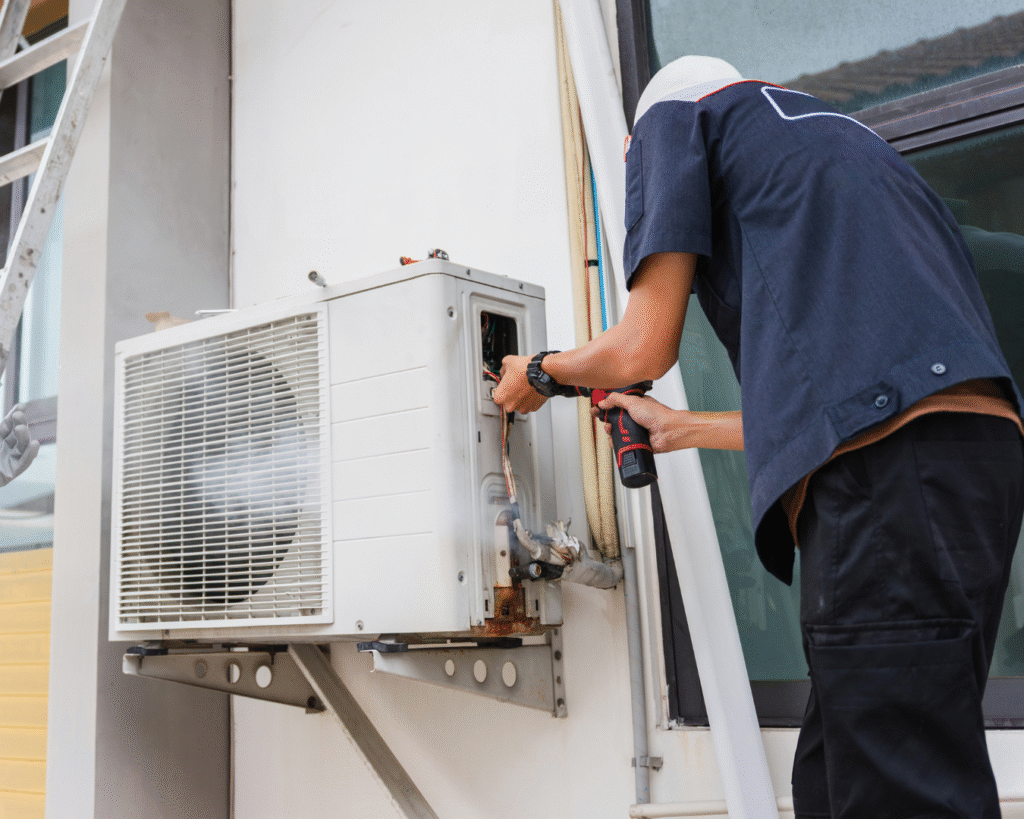
Air conditioner mechanical training is one of the most in-demand skills in the appliance service industry. With rising temperatures and increasing AC usage, the need for skilled AC technicians grows every year. Our AC mechanical training course teaches you complete installation, servicing, and repair of all types of air conditioners. You learn about refrigeration cycles, gas charging, compressor repair, and all mechanical components that make an AC work.
Who Should Join This Course
- People wanting to start AC installation and repair business
- Electricians wanting to add AC repair skills
- Service center technicians wanting specialization
- Students after 10th or 12th looking for technical careers
- Anyone wanting high-paying technical skills
- Existing technicians wanting to upgrade knowledge
- People looking for self-employment opportunities
What You Will Learn
Refrigeration Cycle Fundamentals: Understanding how refrigeration works is the foundation of AC repair. We teach you about evaporation, condensation, compression, and expansion in simple terms. You learn how refrigerant flows through the system and how each component contributes to cooling. This knowledge helps you diagnose any AC problem quickly and accurately.
AC Types and Their Mechanisms: Different AC types have different mechanical systems. You learn about window ACs, split ACs, cassette ACs, and duct ACs. We cover both normal ACs and inverter ACs. Understand the mechanical differences between each type and how to work on them. This comprehensive knowledge makes you versatile and capable of handling any AC.
Compressor Working and Repair: The compressor is the heart of any AC system. Learn how compressors work, different types of compressors (reciprocating, rotary, scroll), and how to identify compressor problems. We teach you compressor testing methods, oil checking, and when to repair versus replace. Understand compressor starting mechanisms and protection systems.
Gas Charging and Vacuum Process: Gas charging is a critical skill that separates professional technicians from amateurs. Learn the complete vacuum process, leak testing, gas recovery, and proper charging techniques. We teach you how to use manifold gauges, vacuum pumps, and gas cylinders safely. Understand different refrigerants (R22, R32, R410A) and their charging pressures.
Copper Piping and Flaring: Master the art of copper pipe cutting, bending, and flaring. Learn how to create perfect flares that do not leak. Practice brazing and soldering copper joints. Understand proper pipe sizing and installation techniques. These skills are essential for AC installation and repair work.
Indoor and Outdoor Unit Mechanics: Learn about fan motors, blower motors, and their speed control mechanisms. Understand louver motors, swing motors, and drainage systems. Study outdoor unit fan motors, condenser coils, and capillary tube systems. Know how to clean, maintain, and replace all these mechanical parts.
AC Installation Complete Process: From site survey to final testing, learn the complete AC installation procedure. Understand wall mounting, bracket installation, pipe routing, drainage planning, and electrical connections. Learn professional installation techniques that prevent future problems and keep customers satisfied.
Troubleshooting Common Problems: Practice diagnosing and fixing real AC problems like no cooling, poor cooling, water leakage, noise issues, compressor not starting, and gas leakage. Learn systematic troubleshooting methods that save time and help you find faults quickly.
Preventive Maintenance: Understand proper AC servicing procedures including coil cleaning, filter cleaning, drain pipe cleaning, and system checking. Learn how to perform seasonal maintenance that extends AC life and improves performance. This knowledge helps you build a regular customer base for annual maintenance contracts.
Tools and Equipment Usage: Master the use of all AC repair tools including manifold gauge set, vacuum pump, gas cylinder, flaring tool, pipe cutter, torque wrench, leak detector, and digital thermometer. Learn safe handling and proper maintenance of tools.
Brand-Specific Knowledge: We provide training on mechanical systems of all major brands including Samsung, LG, Voltas, Daikin, Hitachi, Blue Star, Carrier, and others. Each brand has specific installation requirements and common mechanical issues that you need to know.
Safety Procedures: Working with refrigerants and electrical-mechanical systems requires proper safety knowledge. Learn safe handling of gas cylinders, electrical safety while working on ACs, height safety for outdoor unit work, and first aid for common accidents.
Career Opportunities After Course
- Professional AC installation technician
- AC service and repair specialist
- Start your own AC sales and service business
- Work with AC manufacturing companies
- Service center supervisor or manager
- AMC (Annual Maintenance Contract) service provider
- Freelance AC technician with high earnings
- Corporate facility management
What's Included
- Complete theory of refrigeration and AC systems
- Extensive hands-on practice on real ACs
- All tools and equipment provided during training
- Gas charging practical on multiple ACs
- Installation practice from scratch
- Troubleshooting real faulty ACs
- Brand-specific service manuals
- Tool procurement guidance
- Business setup consultation
- Lifetime doubt clearing support
- Course completion certificate
- Job placement assistance
Fridge Mechanical Repairing Course
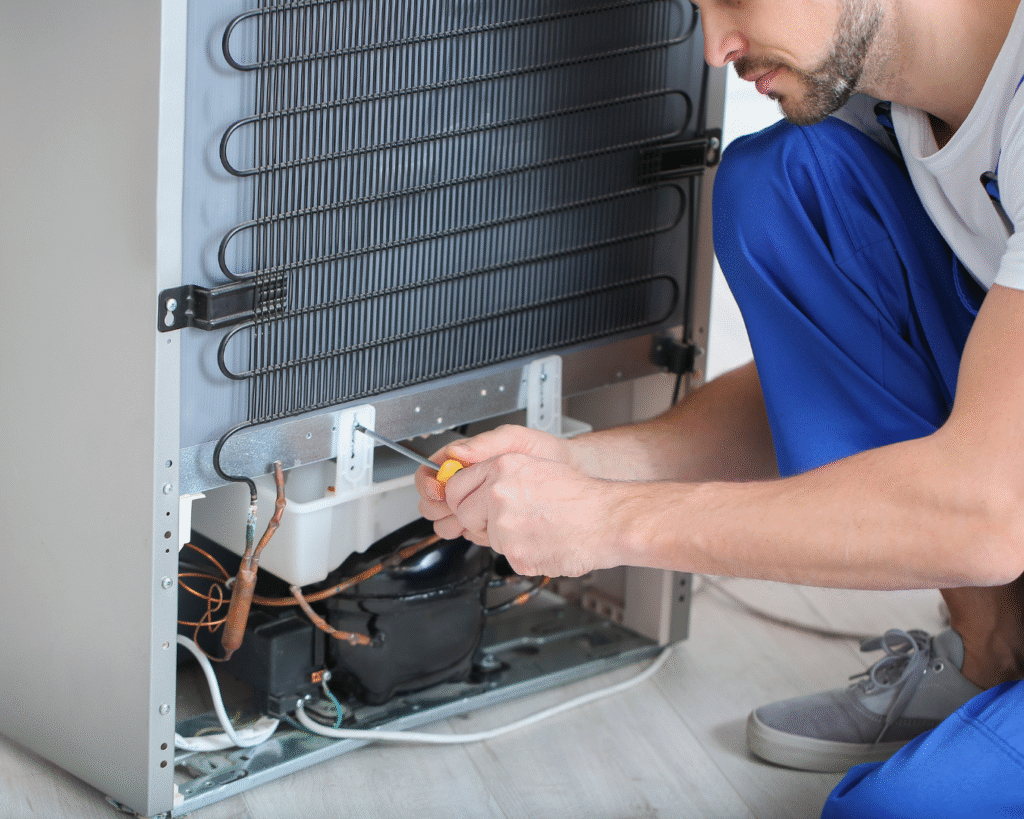
Refrigerator mechanical repair is an essential and evergreen skill. Every home and business needs refrigerators, and mechanical problems are common. Our fridge mechanical repairing course teaches you complete repair and servicing of all types of refrigerators. From single-door direct cool to multi-door frost-free fridges, you learn to work on everything. Understanding compressor systems, cooling mechanisms, and defrost systems makes you an expert fridge technician.
Who Should Join This Course
- Aspiring refrigerator technicians
- Home appliance repair professionals
- People wanting stable technical career
- Service center employees seeking growth
- Entrepreneurs planning repair business
- Anyone wanting self-employment
- Students seeking practical skills
- Existing technicians upgrading skills
What You Will Learn
Refrigerator Working Principle: Learn how refrigerators create cooling and maintain temperature. Understand the refrigeration cycle specifically for fridges, evaporator working, condenser function, and capillary tube role. We explain everything in simple terms with practical demonstrations on real refrigerators.
Direct Cool vs Frost-Free Mechanisms: Different refrigerator types have different mechanical systems. Learn the complete difference between direct cool and frost-free fridges. Understand how automatic defrost works, defrost timer operation, defrost heater function, and evaporator fan working. This knowledge helps you handle all fridge types confidently.
Compressor Systems in Fridges: Master fridge compressor testing, oil level checking, and replacement procedures. Learn about different compressor types used in refrigerators, their starting mechanisms, and protection systems. Understand compressor mounting, vibration isolation, and noise troubleshooting.
Cooling System Components: Study evaporator design and working, condenser types and cleaning methods, capillary tube sizing and replacement, and filter-drier installation. Learn how each component affects cooling performance and how to diagnose component-specific problems.
Gas Charging for Refrigerators: Fridge gas charging is different from AC charging. Learn proper vacuum procedures for fridges, leak detection methods, charging by weight method, charging by pressure method, and final testing. Practice on multiple fridges to build confidence.
Door Gasket and Seal Replacement: Door seals are crucial for proper cooling. Learn how to test door seals, remove old gaskets without damaging doors, install new gaskets properly, and adjust door alignment. These simple repairs can solve many cooling problems.
Thermostat and Temperature Control: Understand mechanical and electronic thermostats, temperature sensor working, temperature control circuit, and thermostat testing methods. Learn to replace and calibrate thermostats for optimal fridge performance.
Defrost System Repair: For frost-free fridges, master defrost timer working and replacement, defrost heater testing and installation, bi-metal thermostat operation, and defrost system troubleshooting. Learn how to fix ice buildup problems and cooling issues related to defrost failures.
Fan Motors and Circulation: Learn about evaporator fan motor working, condenser fan motor (in some models), fan speed control, and motor replacement procedures. Understand proper airflow patterns inside fridges and how to fix air circulation problems.
Drainage System: Study drain pipe routing, drain pan location and cleaning, drain heater working (in some models), and fixing water leakage issues. Proper drainage is essential for frost-free fridge operation.
Common Fridge Problems and Solutions: Practice troubleshooting real issues like fridge not cooling, excessive cooling, ice formation in fresh food section, water leakage, noise problems, door not closing properly, and compressor running continuously. Learn systematic diagnosis methods.
Installation and Leveling: Understand proper fridge installation, leveling importance and methods, spacing requirements for ventilation, and initial setup procedures. Proper installation prevents many future problems.
Preventive Maintenance: Learn complete servicing procedures including condenser cleaning, gasket checking, drain cleaning, and performance testing. Regular maintenance helps you build long-term customer relationships through AMC contracts.
Tools and Equipment: Master the use of manifold gauges, vacuum pump, leak detector, thermometer, multimeter, and hand tools. Learn tool maintenance and safe handling practices.
Brand Coverage: Get hands-on training on fridges from Samsung, LG, Whirlpool, Godrej, Haier, Panasonic, Bosch, and other major brands. Learn brand-specific mechanical features and common problems.
Career Opportunities After Course
- Refrigerator repair specialist
- Fridge installation technician
- Own fridge service center
- Work with appliance companies
- Commercial refrigeration technician
- Cold storage maintenance
- Freelance repair consultant
- AMC service provider
What's Included
- Refrigeration theory simplified
- Hands-on practice on real fridges
- All repair tools provided
- Gas charging practical sessions
- Compressor replacement practice
- Troubleshooting real faults
- Service manual collection
- Business guidance
- Tool buying consultation
- Post-course support
- Professional certificate
- Placement assistance
Washing Machine Mechanical Repairing Course
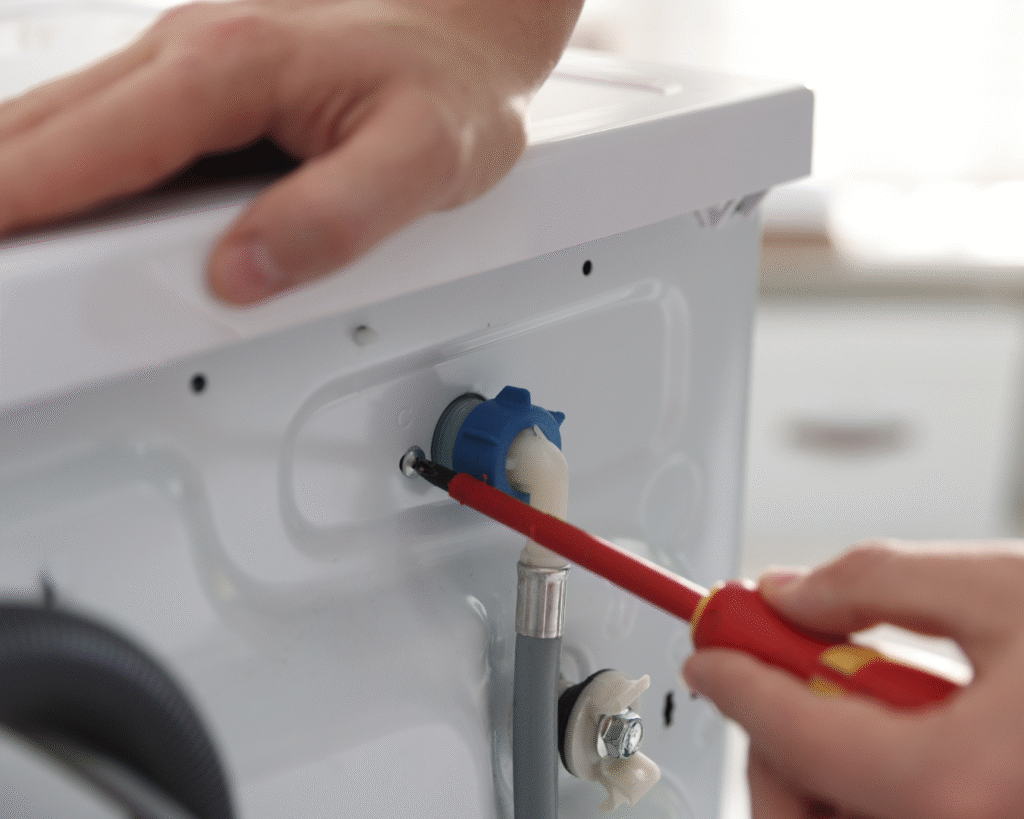
Washing machine mechanical repair is a highly profitable skill with constant demand. Almost every household owns a washing machine, and mechanical problems are frequent. Our washing machine mechanical repairing course covers both semi-automatic and fully automatic machines, top-load and front-load models. You learn about motor systems, pump mechanisms, drum rotation, water inlet systems, and all mechanical components.
Who Should Join This Course
- Aspiring washing machine technicians
- Appliance service professionals
- People seeking technical self-employment
- Service center staff
- Entrepreneurs starting repair business
- Students wanting practical career skills
- Existing technicians enhancing knowledge
- Anyone seeking stable income opportunities
What You Will Learn
Washing Machine Types and Mechanisms: Understand the mechanical differences between semi-automatic and fully automatic machines. Learn how top-load and front-load machines work mechanically. Study single-tub, twin-tub, and fully automatic drum mechanisms. This comprehensive knowledge helps you work on any washing machine model.
Motor Systems: Master the working of universal motors, induction motors, and BLDC motors used in different washing machines. Learn motor speed control mechanisms, belt drive systems, direct drive systems, and motor mounting. Understand motor testing, carbon brush replacement, and motor rewinding basics.
Transmission and Gear Systems: Learn about clutch mechanisms in semi-automatic machines, gear reducer working, planetary gear systems, and belt and pulley systems. Understand how spin and wash actions are controlled mechanically. Practice transmission repair and replacement.
Water Inlet Systems: Study inlet valve working, water pressure requirements, filter cleaning, and valve replacement. Learn about single inlet and dual inlet systems. Understand how machines control hot and cold water mixing in some models.
Pump and Drainage System: Master drain pump working, pump motor testing, pump filter cleaning, and pump replacement procedures. Learn about drainage pipe routing and fixing water draining problems. Understand timer-controlled and sensor-controlled drainage systems.
Drum and Tub Mechanics: Learn about drum suspension systems, shock absorbers, springs, and dampers. Understand drum bearing replacement, tub seal repair, and balancing procedures. Study how to fix vibration and noise problems related to drum mechanics.
Door Lock and Interlock Systems: For fully automatic machines, learn door lock mechanism, safety interlock working, and door hinge repair. Understand how machines prevent door opening during operation and how to fix door-related problems.
Belt and Pulley Systems: Master belt tension adjustment, belt replacement, pulley alignment, and belt size selection. Learn to identify belt wear and prevent future breakage. Practice on multiple machine models with different belt configurations.
Agitator and Pulsator Mechanisms: Understand agitator working in top-load machines, pulsator operation, and direction reversal mechanisms. Learn to replace agitators, fix rotation problems, and repair coupling systems.
Timer and Program Selector: Study mechanical timer operation, program selection mechanisms, and timer replacement. Understand how timers control different washing cycles and how to diagnose timer-related problems.
Water Level Control: Learn about pressure switch working, air trap systems, pressure tube cleaning, and water level adjustment. Understand how machines sense water level and control filling automatically.
Installation Procedures: Master complete washing machine installation including machine leveling, water connection, drainage setup, and electrical connection. Learn proper installation techniques that prevent vibration, leakage, and noise problems.
Common Problems Troubleshooting: Practice fixing real issues like machine not starting, drum not rotating, water not filling, water not draining, excessive vibration, noise during operation, door not locking, and spin not working. Learn quick diagnosis methods.
Preventive Maintenance: Understand filter cleaning, drum cleaning, detergent dispenser cleaning, and complete machine servicing. Learn how to advise customers on proper machine usage and maintenance to prevent problems.
Tools and Equipment Usage: Master the use of socket sets, spanners, pliers, bearing puller, multimeter, and specialized washing machine repair tools. Learn safe dismantling and assembly procedures.
Brand-Specific Training: Get practical experience with machines from IFB, Samsung, LG, Whirlpool, Bosch, Haier, Godrej, and other major brands. Learn brand-specific mechanical features, common problems, and spare part availability.
Safety Practices: Learn electrical safety during mechanical work, water safety, proper lifting techniques for heavy machines, and customer safety during installation and repair.
Career Opportunities After Course
- Washing machine repair specialist
- Installation and service technician
- Own washing machine service business
- Work with appliance manufacturers
- Laundromat equipment maintenance
- AMC service provider
- Freelance technician
- Service center manager
What's Included
- Complete mechanical theory
- Hands-on practice on real machines
- All tools provided during training
- Motor repair and replacement
- Installation practice
- Troubleshooting actual faults
- Brand-specific service guides
- Business setup advice
- Spare parts sourcing guidance
- Lifetime support
- Professional certificate
- Job placement help
Geyser Mechanical Repairing Course
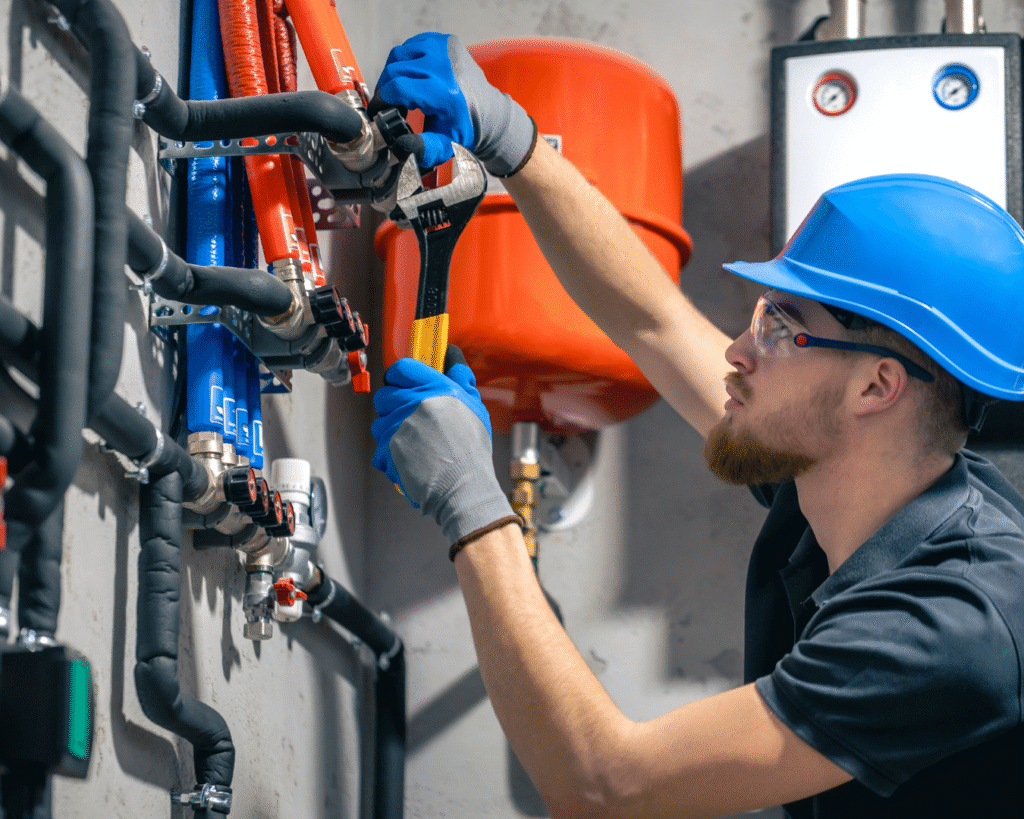
Geyser repair is a seasonal but highly profitable skill. During winter months, geyser repairs are in massive demand, and skilled technicians are hard to find. Our geyser mechanical repairing course teaches you complete installation, servicing, and repair of all types of water heaters. From storage geysers to instant geysers, solar water heaters to heat pumps, you learn everything about water heating systems.
Who Should Join This Course
- Aspiring geyser installation technicians
- Plumbers wanting additional skills
- Electricians expanding service offerings
- Home appliance service professionals
- People seeking seasonal high-income work
- Service center employees
- Entrepreneurs starting repair business
- Anyone wanting specialized technical skills
What You Will Learn
Types of Water Heating Systems: Learn about storage geysers, instant geysers, gas geysers, solar water heaters, heat pump water heaters, and immersion rods. Understand the mechanical differences between each type and their applications. This comprehensive knowledge makes you capable of handling any water heating system.
Storage Geyser Mechanics: Master the internal construction of storage geysers, heating element working and types, thermostat operation and control, pressure relief valve function, and insulation systems. Learn how tank capacity affects heating time and energy consumption.
Heating Element Technology: Understand different heating element types (copper, nichrome, incoloy), wattage selection, element testing methods, and replacement procedures. Learn about element scaling problems and descaling techniques. Practice replacing elements without damaging the tank.
Thermostat Systems: Study mechanical thermostats, electronic thermostats, capillary thermostats, and temperature cutoff devices. Learn thermostat calibration, testing methods, and replacement. Understand dual thermostat systems in some high-end geysers.
Safety Devices: Master pressure relief valve working, thermal cutoff operation, earthing importance, and anti-vacuum valve function. Learn about safety standards and how to ensure customer safety during installation and repair.
Tank Construction and Materials: Understand inner tank materials (glass-lined, stainless steel, copper), outer body construction, insulation types (PUF, ceramic fiber), and magnesium anode rod function. Learn how material quality affects geyser life and performance.
Instant Geyser Mechanisms: Learn how instant geysers heat water immediately, flow sensor working, power requirements, and element design. Understand the difference between instant and storage geyser repair approaches.
Gas Geyser Systems: Study gas burner operation, pilot light mechanism, flame sensor working, and exhaust systems. Learn gas pressure requirements, safety interlocks, and troubleshooting gas-specific problems. Understand LPG and PNG geyser differences.
Solar Water Heater Systems: Master solar collector working, tank insulation, circulation systems (natural and forced), backup heating element, and system maintenance. Learn about flat plate collectors and evacuated tube collectors.
Installation Procedures: Learn complete geyser installation including wall mounting, pipe connections, pressure testing, electrical connections, and earthing. Understand proper pipe sizing, isolation valve installation, and safety distance requirements. Practice professional installation that prevents leakage and electrical hazards.
Pipe Connections and Fittings: Master CPVC pipe joining, PPR pipe welding, copper pipe brazing, and flexible hose connections. Learn about check valves, isolation valves, mixing valves, and proper fitting selection. Understand water hammer prevention.
Pressure and Flow Control: Study water pressure requirements for different geysers, pressure reducing valve installation, flow rate calculations, and pressure testing methods. Learn how to solve low pressure and low flow problems.
Common Geyser Problems: Practice troubleshooting real issues like water not heating, overheating, water leakage, element failure, thermostat failure, pressure valve dripping, noise during heating, and rusty water. Learn systematic diagnosis that saves time.
Descaling and Maintenance: Understand scale formation problems, descaling methods (chemical and mechanical), element cleaning, tank flushing, and preventive maintenance schedules. Learn how to extend geyser life through proper servicing.
Energy Efficiency: Learn about BEE star ratings, energy-saving features, timer installation, temperature setting optimization, and insulation improvement. Help customers reduce electricity bills through proper usage advice.
Repair vs Replacement Decision: Understand when repair is economical and when replacement is better. Learn to advise customers honestly based on geyser condition, age, and repair costs. This honesty builds customer trust.
Tools and Equipment: Master the use of pipe wrenches, element spanners, multimeter, pipe cutter, pressure testing pump, soldering equipment, and crimping tools. Learn safe working practices with electrical and plumbing systems.
Brand-Specific Knowledge: Get training on geysers from Bajaj, Racold, AO Smith, Havells, Crompton, V-Guard, and other major brands. Learn brand-specific features, common problems, and spare part availability.
Safety and Compliance: Understand electrical safety codes, plumbing standards, ISI marks importance, and customer safety education. Learn proper earthing verification and electrical installation rules.
Career Opportunities After Course
- Geyser installation specialist
- Water heater repair technician
- Solar water heater installer
- Own geyser sales and service business
- Work with geyser companies
- Plumbing and electrical contractor
- Building maintenance technician
- Freelance geyser expert
What's Included
- Water heating system theory
- Hands-on installation practice
- All tools and equipment provided
- Element replacement training
- Pipe connection practice
- Troubleshooting real geysers
- Safety procedure training
- Business setup guidance
- Vendor contact support
- Post-course assistance
- Professional certificate
- Job leads and placement
Why Learn Mechanical Repair With Us?
Industry-Expert Instructors
Our trainers are not classroom teachers but practicing field technicians with 10-15 years of hands-on experience. They have installed and repaired thousands of appliances across different brands and models. They know every common problem, every shortcut, and every professional trick. Learning from real experts gives you practical knowledge that textbooks cannot provide.
Fully Equipped Workshop
We maintain a professional workshop with all types of appliances for practice. Multiple ACs, fridges, washing machines, and geysers from different brands are available. You work on real equipment, not just watch demonstrations. This hands-on approach builds your confidence and muscle memory for actual repair work.
Real-World Problem Solving
We do not just teach theory. We bring real faulty appliances to the workshop for you to diagnose and repair. This practical troubleshooting experience is invaluable. You face the same problems you will encounter in real jobs, and learn to solve them systematically.
All Tools and Equipment Provided
During training, you use professional tools and equipment without any additional cost. Manifold gauges, vacuum pumps, gas cylinders, soldering equipment, multimeters, and all specialized tools are available. You learn proper tool usage and handling.
Lifetime Support System
Your learning does not end with course completion. We provide lifetime doubt clearing support. Whenever you face a problem in actual repair work, you can contact us for guidance. This ongoing support gives you confidence to take any repair challenge.
Job and Business Support
After completing the course, we help you find jobs in service centers and companies. We also guide you on starting your own repair business, including customer acquisition, pricing, and business management. Many students successfully run their own businesses with our support.